
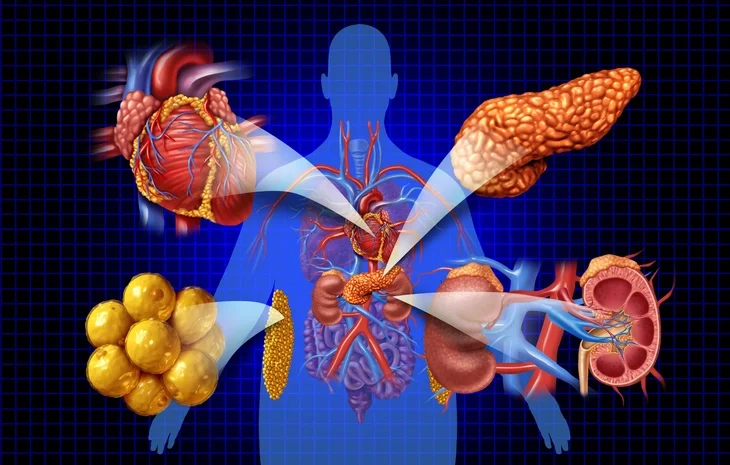
Endocrine disorders frequently produce systemic effects because hormones regulate growth, metabolism, calcium balance, immune responses, and tissue integrity. Since the oral cavity contains rapidly dividing tissues, bone, mucosa, salivary glands, and a rich vascular supply, it is often affected in endocrine disease. In some cases, oral findings may even provide the first clinical clue to an underlying systemic disorder. Understanding these manifestations is essential for dental practitioners, as they may influence diagnosis, treatment planning, healing, and emergency management.
Acromegaly
Acromegaly is caused by excessive secretion of growth hormone (GH), usually from a pituitary adenoma, after closure of the epiphyseal growth plates. Because longitudinal bone growth has ceased, the excess GH leads to enlargement of soft tissues and thickening of bones rather than increased height.
Oral and Craniofacial Features
The oral manifestations are prominent and often characteristic:
Macroglossia (enlarged tongue) – This may cause scalloping of the tongue margins and speech difficulties.
AdvertisementsEnlarged lips
Mandibular prognathism – The mandible grows disproportionately, leading to:
Increased lower facial height
Class III malocclusion
Anterior crossbite
Spacing of teeth (diastema) due to enlargement of jaw bones.
Jaw pain or temporomandibular joint discomfort.
Thickened alveolar bone
The combination of mandibular overgrowth and tooth spacing may significantly affect occlusion and aesthetics.
Dental Considerations
Patients may require orthodontic or prosthodontic management. However, definitive correction is usually delayed until hormonal control is achieved.
Management
Treatment focuses on removal or reduction of the growth hormone-secreting pituitary tumour, commonly by trans-sphenoidal hypophysectomy. Early diagnosis can prevent progression of skeletal deformities.
Addison’s Disease (Adrenocortical Hypofunction)
Addison’s disease results from insufficient production of adrenal cortical hormones, particularly cortisol and aldosterone. It may be autoimmune in origin or secondary to infections, malignancy, or adrenal destruction.
Oral Manifestations
The classic oral finding is:
Melanotic hyperpigmentation of the buccal mucosa
This pigmentation appears as diffuse or patchy brown macules and may resemble physiological pigmentation or other pigmented lesions. It results from increased adrenocorticotropic hormone (ACTH), which stimulates melanocytes.
The pigmentation may also involve:
- Gingiva
- Hard palate
- Tongue
In some cases, Addison’s disease forms part of the endocrine-candidosis syndrome, where chronic mucocutaneous candidosis coexists with endocrine dysfunction.
Dental Implications
Patients may have:
- Fatigue and weakness
- Risk of adrenal crisis during stress
Dental procedures may require:
- Stress reduction protocols
- Possible steroid supplementation for major procedures
Early recognition of unexplained oral pigmentation may help identify undiagnosed Addison’s disease.
Cushing Syndrome
Cushing syndrome results from excessive cortisol levels, which may be endogenous (e.g., adrenal tumour or ACTH-producing pituitary tumour) or exogenous (prolonged corticosteroid therapy).
Craniofacial and Oral Features
Common manifestations include:
- “Moon face” (rounded facial appearance)
- Facial acne
- Skin thinning and atrophy
- Oral candidosis, due to immunosuppression
Because cortisol suppresses immune responses, patients are more prone to:
- Fungal infections
- Delayed wound healing
Dental Considerations
- Increased susceptibility to oral infections
- Possible need for steroid prophylaxis in patients receiving long-term corticosteroids
- Careful management of surgical procedures due to impaired healing
Recognition of oral candidosis in conjunction with characteristic facial features may raise suspicion of Cushing syndrome.
Hypothyroidism
Hypothyroidism refers to reduced thyroid hormone production. It may be congenital (cretinism) or acquired in adulthood.
Congenital Hypothyroidism
Oral manifestations are more pronounced:
- Macroglossia
- Puffy enlarged lips
- Delayed tooth eruption
- Thickened facial features
Dental development may be significantly delayed, and malocclusion may result.
Adult Hypothyroidism
Features include:
- Facial puffiness
- Enlarged lips
- Thickened skin
However, there are generally no specific oral mucosal changes in adults.
Dental Implications
- Delayed eruption patterns
- Increased risk of caries due to reduced salivary flow in some cases
- Caution with sedatives due to increased sensitivity
Early detection in children is crucial to prevent developmental delays.
Hyperthyroidism
Hyperthyroidism is characterized by excessive thyroid hormone production, commonly seen in Graves disease.
Oral Features
Hyperthyroidism is not strongly associated with specific oral changes. However:
- Ocular proptosis (exophthalmos) is characteristic of Graves disease.
- Accelerated dental eruption may occur in children.
- Rarely, treatment with carbimazole may cause oral ulceration (due to agranulocytosis).
Dental Considerations
Untreated hyperthyroid patients may be at risk of:
- Thyroid storm during stressful dental procedures
- Tachycardia and hypertension
Dental management requires:
- Stress reduction
- Avoidance of excessive epinephrine
- Monitoring vital signs
Hypoparathyroidism
Hypoparathyroidism results from insufficient production of parathyroid hormone (PTH), leading to hypocalcaemia.
Clinical Features
Low calcium levels cause:
- Facial twitching (Chvostek’s sign)
- Paraesthesia
- Muscle spasms
Oral Manifestations
- Delayed tooth eruption
- Enamel hypoplasia
- Possible part of endocrine-candidosis syndrome
Because calcium is essential for enamel formation, developmental defects may occur.
Dental Implications
Patients may exhibit:
- Increased caries susceptibility
- Dental sensitivity
Proper calcium management is essential before invasive procedures.
Hyperparathyroidism
Hyperparathyroidism results from excessive PTH secretion, usually due to parathyroid hyperplasia or adenoma.
Pathophysiology
Excess PTH causes:
- Increased plasma calcium (hypercalcaemia)
- Bone resorption
- Renal complications if untreated
Oral and Radiographic Features
In the jaws:
- Loss of lamina dura
- Ground-glass appearance of bone
- Cystic lesions, often multilocular
- “Brown tumours” (giant cell lesions)
Brown tumours are histologically indistinguishable from giant cell granulomas.
Dental Implications
Radiographic changes may be detected during routine dental imaging. Early identification may prevent irreversible renal damage.
Diagnosis is confirmed by:
- Elevated serum calcium
- Elevated PTH
- Reduced alkaline phosphatase (as noted in the original text)
Diabetes Mellitus
Diabetes is a metabolic disorder characterized by chronic hyperglycaemia due to insulin deficiency or resistance.
Oral Manifestations
Although there are no pathognomonic oral changes, poorly controlled diabetes produces significant effects:
1. Increased Infection Susceptibility
- Severe periodontal disease
- Recurrent infections
2. Xerostomia
Reduced salivary flow leads to:
- Caries
- Mucosal discomfort
3. Oral Candidosis
Particularly in ketoacidosis.
4. Sialosis
Non-inflammatory enlargement of salivary glands (late feature).
5. Burning Mouth Syndrome
May be associated with diabetic neuropathy.
6. Delayed Healing
Post-surgical recovery may be prolonged.
7. Lichenoid Reactions
May occur as a reaction to oral hypoglycaemic medications.
Dental Management
- Ensure glycaemic control before surgery
- Morning appointments
- Avoid hypoglycaemia during long procedures
- Monitor healing closely
Dentists often play a role in identifying undiagnosed diabetes when severe periodontal disease is present.
Sex Hormones and the Oral Cavity
Hormonal fluctuations significantly influence gingival tissues and mucosal health.
Puberty
There is a well-recognized increase in:
Severity and frequency of gingivitis
This is due to hormonal effects on vascular permeability and inflammatory response.
Pregnancy
Pregnancy gingivitis is common due to increased estrogen and progesterone levels. Patients may experience:
- Bleeding gums
- Exaggerated inflammatory response to plaque
In some cases:
Pregnancy epulis (pyogenic granuloma) may develop.
Menstrual Cycle
Some women report:
- Recurrent aphthous ulcers associated with menstruation.
- Increased gingival sensitivity.
Menopause
Symptoms reported include:
- Burning mouth
- General soreness of the tongue
- Oral discomfort
However, psychological factors during menopause may contribute significantly, and hormone replacement therapy does not consistently relieve symptoms.
Clinical Significance for Dental Practice
Endocrine disorders influence:
- Bone metabolism
- Immune function
- Salivary flow
- Healing capacity
- Pain perception
Dental professionals must:
- Recognize oral signs of systemic disease.
- Modify treatment plans when necessary.
- Consider medical consultation.
- Monitor for complications such as infection or delayed healing.
- Be prepared for medical emergencies (e.g., adrenal crisis, hypoglycaemia, thyroid storm).
Conclusion
The oral cavity frequently reflects systemic endocrine dysfunction. Conditions such as acromegaly, Addison’s disease, Cushing syndrome, thyroid disorders, parathyroid abnormalities, diabetes, and hormonal fluctuations can all produce significant oral and craniofacial changes.
Some disorders present with striking skeletal and dental abnormalities (e.g., acromegaly, hyperparathyroidism), while others primarily affect soft tissues or immune response (e.g., Cushing syndrome, diabetes). In many cases, oral signs may precede systemic diagnosis.
For dental practitioners, awareness of these manifestations is crucial. Early detection, appropriate referral, and careful treatment planning can significantly improve patient outcomes and prevent serious complications.