
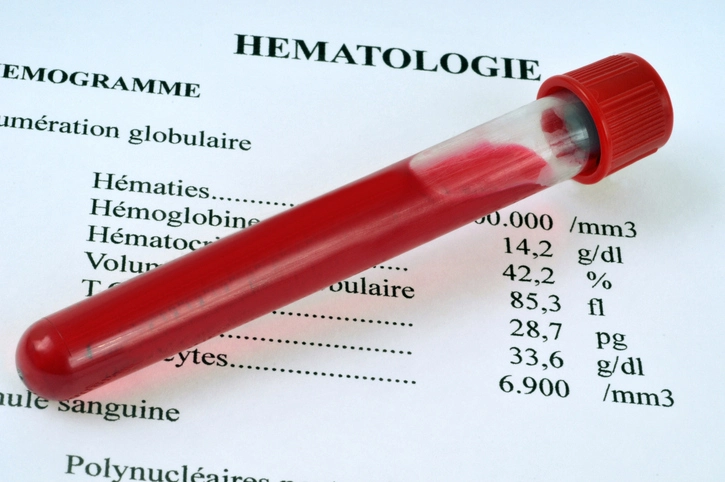
Haematological diseases frequently present with oral signs and symptoms. In some cases, oral findings are the earliest clinical indicators of systemic blood disorders. Because the oral mucosa has a high cell turnover rate and is richly vascularized, it is particularly sensitive to abnormalities in red blood cells, white blood cells, platelets, and plasma proteins. Recognition of these manifestations is essential for early diagnosis, timely referral, and appropriate dental management.
The major haematological conditions associated with oral manifestations include:
- Anaemia (iron, vitamin B₁₂, folate deficiency)
- Patterson–Brown–Kelly syndrome (Plummer–Vinson syndrome)
- Leukaemia
- Cyclical neutropenia
- Multiple myeloma
- Purpura (including ITP)
- Angina bullosa haemorrhagica
Anaemia
Anaemia is defined as a reduction in haemoglobin concentration below normal levels. It may result from:
- Nutritional deficiency (iron, vitamin B₁₂, folate)
- Chronic disease
- Blood loss
- Bone marrow disorders
- Haemolysis
Among these, nutritional anaemias are particularly relevant to oral medicine.
Pathophysiology Relevant to Oral Tissues
The oral mucosa is highly metabolically active and depends on adequate oxygenation and nutrient supply. In anaemia:
- Reduced oxygen-carrying capacity leads to mucosal pallor.
- Impaired epithelial regeneration causes atrophy.
- Immune compromise predisposes to opportunistic infections.
Iron, vitamin B₁₂, and folate deficiencies all interfere with epithelial cell turnover, leading to characteristic oral changes.
Oral Manifestations of Iron Deficiency Anaemia
Iron deficiency is one of the most common causes of anaemia worldwide.
Mucosal pallor
Pale oral mucosa due to reduced haemoglobin.
Atrophic glossitis
- Smooth, shiny tongue
- Loss of filiform papillae
- Burning sensation
Although once common, severe atrophic glossitis is now less frequently seen in developed settings.
Angular cheilitis
- Cracking at the corners of the mouth
- Often associated with Candida infection
- Frequently bilateral
Recurrent aphthous-like ulceration
Nutritional deficiencies are strongly associated with recurrent oral ulcers. Importantly, these deficiencies may exist even without overt systemic anaemia.
Oral candidosis
Iron deficiency predisposes to candidal overgrowth. Patients may present with:
- Erythematous candidosis
- Angular cheilitis
- Burning mouth
Vitamin B₁₂ Deficiency
Vitamin B₁₂ deficiency may result from:
- Pernicious anaemia
- Malabsorption
- Gastric surgery
- Strict vegan diet
Oral features:
- Atrophic glossitis
- Painful, red tongue
- Linear or patchy erythema
- Burning mouth syndrome-like symptoms
A clinically normal-appearing but sore tongue (burning tongue) may be an early or even precursor manifestation.
Neurological signs (paraesthesia, peripheral neuropathy) may coexist and should raise suspicion.
Folate Deficiency
Folate deficiency causes similar mucosal changes to B₁₂ deficiency:
- Glossitis
- Ulceration
- Mucosal atrophy
However, neurological symptoms are absent in isolated folate deficiency.
Dental Management Considerations
- Identify unexplained recurrent ulceration.
- Investigate persistent glossitis or burning mouth.
- Avoid invasive procedures if severe anaemia is present.
- Refer for full blood count and nutritional assessment when indicated.
Early recognition can prevent progression to severe systemic disease.
Patterson–Brown–Kelly Syndrome (Plummer–Vinson Syndrome)
This condition is associated with iron deficiency anaemia and is characterized by:
- Dysphagia
- Oesophageal webs
- Glossitis
- Angular cheilitis
It predominantly affects middle-aged women.
Oral Features
- Atrophic glossitis
- Angular cheilitis
- Mucosal pallor
The condition is significant because it increases the risk of:
Squamous cell carcinoma of the pharynx and oesophagus
Clinical Importance
Dentists may detect oral changes before dysphagia becomes severe. Iron supplementation often improves oral manifestations.
Leukaemia
Leukaemia is a malignant proliferation of white blood cell precursors in bone marrow. It may be:
- Acute or chronic
- Lymphoid or myeloid
It profoundly affects immunity, platelet function, and red cell production.
Pathophysiology Relevant to Oral Cavity
- Neutropenia → increased infections
- Thrombocytopenia → bleeding tendency
- Anaemia → pallor
- Leukaemic infiltration → gingival enlargement
Oral Manifestations
1. Gingival Enlargement
- Particularly common in acute myeloid leukaemia
- Diffuse, boggy, haemorrhagic swelling
- May cover tooth crowns
2. Bleeding and Petechiae
- Spontaneous gingival bleeding
- Minimal trauma causes haemorrhage
- Petechial haemorrhages on palate and mucosa
3. Ulceration
- Persistent non-healing ulcers
- Secondary infection common
4. Infections
Reduced resistance predisposes to:
- Oral candidosis
- Herpetic infections
- Bacterial infections
5. Mucosal Pallor
Due to associated anaemia.
Dental Management
- Avoid extractions during active disease unless medically supervised.
- Use chlorhexidine mouthwash to reduce infection risk.
- Treat infections aggressively.
- Local haemostatic measures for bleeding.
- Custom pressure dressings may control spontaneous gingival bleeding.
Immediate referral is required if leukaemia is suspected.
Cyclical Neutropenia
Cyclical neutropenia is characterized by periodic reductions in neutrophil count, typically every 3–4 weeks.
During neutropenic episodes, patients are highly susceptible to infection.
Oral Manifestations
- Severe oral ulceration
- Acute exacerbations of periodontal disease
- Necrotizing ulcerative gingivitis (NUG)
The cyclic nature is diagnostic: symptoms recur at predictable intervals.
Clinical Importance
Dentists may be the first to notice the cyclical pattern. Referral for haematological evaluation is essential.
Management includes:
- Strict oral hygiene
- Antimicrobial mouthwashes
- Antibiotics when indicated
Multiple Myeloma
Multiple myeloma is a malignant proliferation of plasma cells in bone marrow.
It leads to:
- Bone destruction
- Immunosuppression
- Monoclonal protein production
Oral and Maxillofacial Features
1. Osteolytic Lesions
- “Punched-out” radiolucencies in skull and jaws
- Pathological fractures possible
- Tooth mobility without periodontal cause
2. Pain and Paraesthesia
Due to bone destruction or nerve compression.
3. Macroglossia
Rarely due to amyloid deposition.
Bisphosphonates and BRONJ
Patients are often treated with bisphosphonates. Long-term survivors have a significant risk (around 30% in 10-year survivors) of:
Bisphosphonate-related osteonecrosis of the jaw (BRONJ)
Dental extractions must be carefully planned.
Dental Management
- Avoid elective extractions if possible.
- Liaise with oncology team.
- Monitor for exposed bone.
- Emphasize preventive care.
Purpura
Purpura results from platelet deficiency or dysfunction.
Common causes include:
- Idiopathic thrombocytopenic purpura (ITP)
- Viral infections
- Drug reactions
Oral Manifestations
Petechiae
Small red or purple spots
Common on soft palate
Ecchymoses
Larger bruised areas
Spontaneous gingival bleeding
Differential Diagnosis
Palatal petechiae may also be seen in:
- Glandular fever
- Rubella
- HIV infection
- Recurrent vomiting
Dental Considerations
- Avoid traumatic procedures.
- Check platelet counts before invasive treatment.
- Use local haemostatic measures.
Angina Bullosa Haemorrhagica
This benign condition presents as:
- Sudden onset blood-filled blisters in the oral cavity
- Usually on soft palate
The cause is unclear but may relate to minor trauma.
Clinical Features
- Rapid formation of dark red blister
- Ruptures spontaneously
- Heals without scarring
It is irritating but generally of no systemic significance.
Clinical Importance for Dental Practitioners
The dentist plays a crucial role in early detection of systemic disease. Suspicion should arise when:
- Ulcers are persistent or atypical.
- Gingival bleeding is disproportionate to plaque levels.
- There is unexplained mucosal pallor.
- Periodontal disease is unusually aggressive.
- Radiographs show unexplained osteolytic lesions.
Early referral for haematological assessment can be life-saving.