
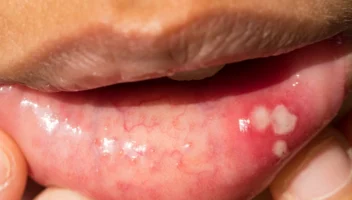
White Patches of the Oral Mucosa
White lesions of the oral cavity are a common clinical finding encountered by dentists, oral physicians, otolaryngologists, and general medical practitioners. These lesions range from benign, self-limiting conditions to potentially malignant disorders and overt carcinomas. The presence of a white patch on the oral mucosa is not a diagnosis in itself, but rather a clinical […]
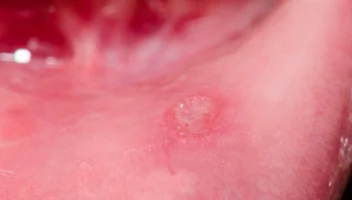
Subepithelial Vesiculobullous Lesions of the Oral Cavity
Vesiculo-bullous lesions of the oral cavity represent a heterogeneous group of disorders characterized by the formation of vesicles (small fluid-filled blisters) or bullae (larger blisters). These lesions arise due to separation within or beneath the epithelial layers of the oral mucosa. Based on the level of tissue cleavage, vesiculo-bullous diseases are broadly classified into intraepithelial […]
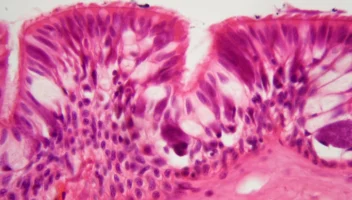
Intraepithelial Vesiculo-Bullous Disorders in Oral Medicine
Intraepithelial vesiculo-bullous disorders represent a clinically significant group of diseases in oral medicine due to their frequent oral involvement, painful presentation, and potential for serious systemic consequences. These disorders are characterized by the formation of vesicles and bullae within the epithelial layer as a result of disruption in intercellular adhesion. Because the oral mucosa is […]
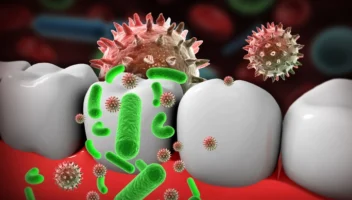
Viral Infections of the Mouth
Viral infections of the oral cavity represent a significant proportion of conditions encountered in dental, medical, and oral medicine practice. The mouth serves as both an entry point and a reservoir for numerous viruses due to its constant exposure to the external environment, rich vascular supply, and complex mucosal immune system. Oral viral infections can […]
Bacterial Infections of the Mouth
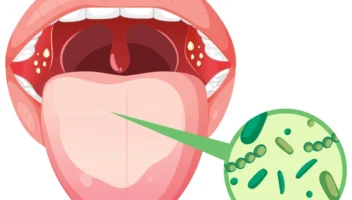
The oral cavity is a complex anatomical and ecological environment that hosts a diverse microbiota. While many microorganisms exist in a commensal or symbiotic relationship with the host, disruptions in local or systemic immunity can allow pathogenic bacteria to cause disease. Bacterial infections of the mouth represent a significant component of oral medicine and are […]

Minor Pre-Prosthetic Surgery
Pre-prosthetic surgery refers to surgical procedures carried out on the oral hard and soft tissues with the aim of improving the foundation for a dental prosthesis. These procedures are not performed for disease management alone, but rather to enhance comfort, stability, retention, and function of dentures or other prosthetic appliances. Among these procedures, minor pre-prosthetic […]