
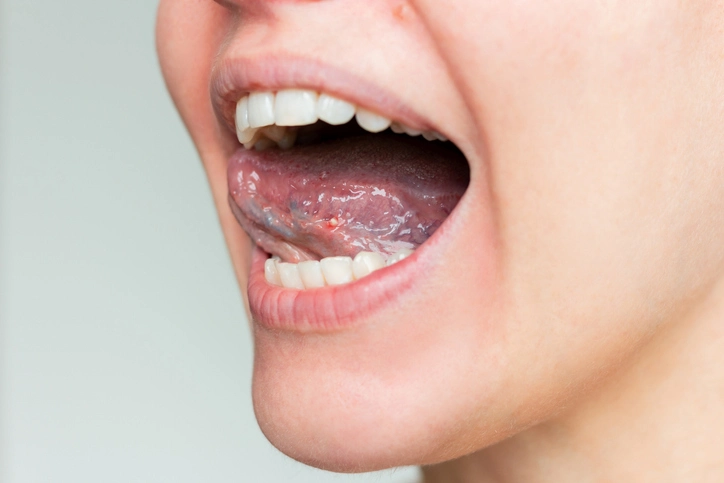
The lips and tongue are essential components of the oral cavity, playing critical roles in speech, mastication, swallowing, taste, facial expression, and social interaction. Because of their unique anatomical structure, specialized epithelium, and constant exposure to physical, chemical, and microbial stimuli, these structures are susceptible to a wide range of abnormalities. While many systemic and local diseases of the oral mucosa involve the lips and tongue secondarily, there exists a distinct group of conditions that specifically affect these structures.
Understanding abnormalities of the lips and tongue is essential for clinicians, as these regions may provide early signs of local disease, systemic illness, nutritional deficiencies, immunological disorders, or genetic syndromes. Some conditions are benign and require only reassurance, whereas others may be premalignant, life-threatening, or indicative of serious systemic pathology.
Anatomical and Functional Considerations
The tongue is a muscular organ covered by specialized stratified squamous epithelium, containing papillae that house taste buds and contribute to tactile sensation. The filiform papillae are responsible for surface texture, while fungiform, circumvallate, and foliate papillae contribute to taste perception. The lips form a transitional zone between skin and oral mucosa and are richly vascularized and innervated, making them highly sensitive to environmental factors.
Due to this specialization, even minor pathological changes in these structures may lead to disproportionate symptoms such as pain, altered taste, speech difficulties, or cosmetic concerns.
Abnormalities of the Tongue
Ankyloglossia (Tongue Tie)
Ankyloglossia is a developmental abnormality characterized by an unusually short, thick, or tight lingual frenulum, which restricts the movement of the tongue. It is the most common developmental variation of the tongue and may occasionally be associated with microglossia (abnormally small tongue).
Clinical significance:
In infants, ankyloglossia may interfere with breastfeeding, leading to poor latch, maternal nipple pain, and inadequate feeding. In older children and adults, it may affect speech articulation, oral hygiene, and, rarely, mechanical functions such as licking or kissing.
Management:
The primary treatment is frenectomy or frenulotomy. Current evidence suggests that division of the tongue tie can result in significant improvement in breastfeeding outcomes, though benefits for speech issues are more variable and should be assessed on an individual basis.
Macroglossia
Macroglossia refers to an abnormally enlarged tongue. It may be congenital or acquired and can cause functional and aesthetic problems.
Congenital causes include:
- Down syndrome
- Hurler syndrome
- Beckwith–Wiedemann syndrome
Acquired causes include:
- Benign tumors such as lymphangiomas
- Endocrine disorders such as acromegaly
- Infiltrative conditions such as amyloidosis
Clinical features:
Patients may experience speech difficulties, airway obstruction, malocclusion, drooling, or difficulty swallowing.
Management:
Treatment depends on the underlying cause. In severe cases where function or airway is compromised, surgical reduction of the tongue may be indicated.
Fissured Tongue
A fissured tongue is characterized by deep grooves or fissures on the dorsal surface of the tongue. It affects approximately 3% of the population and is generally considered a benign variation.
Clinical relevance:
Although not pathological in itself, fissures can harbor food debris and microorganisms, potentially leading to halitosis or secondary infection. Fissured tongue is more commonly observed in individuals with Down syndrome compared to the general population.
Associated conditions:
- Melkersson–Rosenthal syndrome: characterized by a triad of fissured tongue, recurrent facial nerve palsy, and orofacial swelling
- Sjögren syndrome: may present with a lobulated tongue due to dryness and glandular involvement
Management:
Most cases require only reassurance and advice on maintaining good oral hygiene. Referral is appropriate when fissured tongue is associated with systemic syndromes.
Hairy Tongue
Hairy tongue is a benign condition caused by elongation and hypertrophy of the filiform papillae, resulting in a hair-like appearance. Pigmentation may vary from yellow to brown or black, depending on extrinsic staining.
Predisposing factors:
- Smoking
- Poor oral hygiene
- Hyposalivation
- Prolonged antibiotic use
Clinical features:
Patients may complain of altered taste, gagging sensation, or aesthetic concerns, though many cases are asymptomatic.
Management:
Treatment focuses on improving oral hygiene and mechanical debridement of the tongue. Methods may include gentle scraping, dietary measures (e.g., pineapple), or in resistant cases, topical agents or surgical shaving.
Median Rhomboid Glossitis
Median rhomboid glossitis is a well-defined erythematous, depapillated area located in the midline of the posterior dorsal tongue. It is thought to be associated with chronic candidal infection.
Clinical significance:
Although usually asymptomatic, it may be associated with palatal erythema in immunocompromised individuals.
Management:
Antifungal therapy may be indicated if Candida infection is confirmed.
Geographic Tongue (Benign Migratory Glossitis)
Geographic tongue is a chronic inflammatory condition characterized by migrating areas of depapillation with white or yellow borders on the dorsal and lateral surfaces of the tongue.
Epidemiology:
Seen in approximately 1–2% of adults.
Pathophysiology:
The condition is due to temporary loss of filiform papillae, giving rise to erythematous patches that change location over time.
Clinical features:
Most patients are asymptomatic, though some experience sensitivity or pain triggered by acidic, spicy, or salty foods. A familial pattern is common, and an association with psoriasis has been observed in a subset of patients.
Management:
Reassurance is the mainstay of treatment. Symptomatic patients may benefit from avoiding trigger foods or using topical agents.
Depapillation of the Tongue
Depapillation refers to generalized loss of tongue papillae, resulting in a smooth or shiny appearance.
Associated conditions:
- Iron deficiency anemia
- Pernicious anemia
- Other nutritional deficiencies
- Severe systemic disease
In advanced cases, the tongue may appear lobulated.
Management:
Treatment involves identifying and correcting the underlying deficiency or systemic condition.
Sore Tongue (Glossodynia)
Glossodynia refers to pain or burning sensation of the tongue, which may occur with or without visible clinical changes.
Key causes include:
- Iron deficiency anemia
- Vitamin B group deficiencies
- Pernicious anemia
- Candidosis
- Lichen planus
Importantly, a clinically normal but painful tongue is common and may be psychogenic in origin, particularly in middle-aged or older individuals.
Management:
The first step is exclusion of organic causes through appropriate investigations. Treatment focuses on addressing deficiencies, eliminating irritants, and managing psychological factors when present.
Abnormalities of the Lips
Granulomatous Cheilitis (Orofacial Granulomatosis)
Granulomatous cheilitis is characterized by persistent or recurrent swelling of the lips and may extend to the cheeks or face.
Histopathology:
Non-caseating granulomas similar to those seen in Crohn’s disease.
Clinical associations:
- Crohn’s disease
- Sarcoidosis
- Allergic reactions to benzoates or certain foods
Management:
Treatment options include intralesional corticosteroids, immunomodulatory therapies, and elimination of potential allergens.
Persistent Median Fissure of the Lip
A persistent median fissure may be developmental or secondary to chronic infection. It is often difficult to eradicate and may coexist with granulomatous cheilitis.
Management:
Surgical excision with or without intralesional steroids may be required.
Sarcoidosis
Sarcoidosis is a chronic multisystem granulomatous disease affecting young adults, with a higher prevalence in certain ethnic groups.
Oral manifestations:
- Lip swelling
- Gingival nodules
- Palatal lesions
Diagnostic features:
- Non-caseating granulomas on biopsy
- Hilar lymphadenopathy on chest imaging
- Elevated serum ACE and calcium levels
Management:
Systemic or intralesional corticosteroids are the mainstay of treatment.
Actinic Cheilitis
Actinic cheilitis is a premalignant condition caused by chronic sun exposure, typically affecting the lower lip.
Pathogenesis:
Ultraviolet radiation induces keratinocyte dysplasia and increased mitotic activity.
Clinical importance:
There is a risk of progression to squamous cell carcinoma.
Management:
Sun protection, regular monitoring, and early intervention are essential.
Exfoliative Cheilitis
This condition resembles actinic cheilitis but lacks a clear etiological factor.
Management:
Symptomatic treatment and elimination of potential irritants.
Dry, Sore Lips
Dry lips are common and usually benign unless associated with frank cheilitis.
Common causes:
- Lip licking
- Wind or sun exposure
- Viral illnesses
Management:
Topical emollients and behavioral modification.
Allergic Angio-oedema
Allergic angio-oedema is an acute, potentially life-threatening type I hypersensitivity reaction.
Clinical features:
- Rapid swelling of lips, neck, and floor of mouth
- Possible airway compromise
Management:
Mild cases respond to antihistamines, while severe reactions require emergency management for anaphylaxis.
Hereditary Angio-oedema
This inherited condition results from deficiency or dysfunction of C1 esterase inhibitor.
Clinical features:
- Recurrent swelling episodes without urticaria
- Triggered by trauma or stress
Diagnosis:
Low C4 levels with normal C3 and absent C1 esterase inhibitor activity.
Management:
Acute attacks require replacement therapy; prophylaxis includes antifibrinolytic agents or hormonal therapy.
Kawasaki Disease
Kawasaki disease is a systemic vasculitis affecting children under five years of age.
Oral features:
- Red, cracked lips
- Strawberry tongue
- Erythematous oral mucosa
Systemic features:
Fever, rash, conjunctivitis, lymphadenopathy, and desquamation of hands and feet.
Clinical importance:
Early diagnosis is critical to prevent coronary artery complications.
Management:
Immediate referral to a pediatric specialist is essential.
Conclusion
Abnormalities of the lips and tongue encompass a broad spectrum of conditions ranging from benign anatomical variations to serious systemic diseases and premalignant disorders. Accurate recognition of these abnormalities allows clinicians to provide reassurance when appropriate, initiate timely treatment, and identify underlying systemic conditions at an early stage. A thorough understanding of oral pathology, combined with careful clinical examination and appropriate investigations, is essential for optimal patient care.