
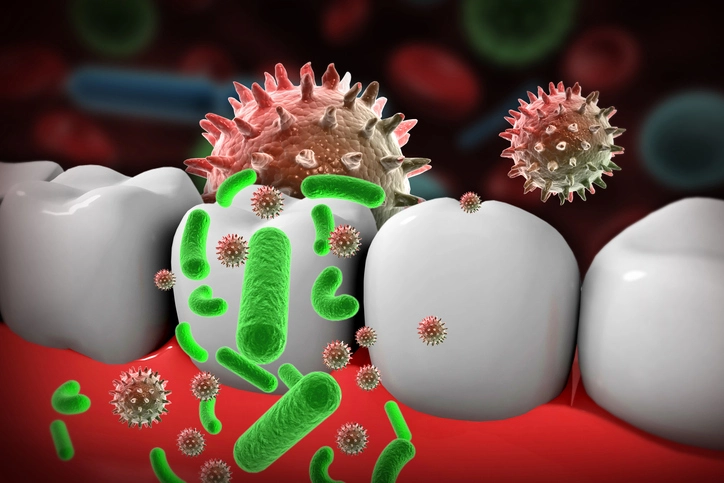
Viral infections of the oral cavity represent a significant proportion of conditions encountered in dental, medical, and oral medicine practice. The mouth serves as both an entry point and a reservoir for numerous viruses due to its constant exposure to the external environment, rich vascular supply, and complex mucosal immune system. Oral viral infections can range from mild, self-limiting illnesses to severe, life-threatening diseases with systemic involvement or malignant potential.
Understanding these infections is critical for accurate diagnosis, effective management, infection control, and patient education. Many viral diseases of the mouth share overlapping clinical features such as vesicles, ulcers, erythema, lymphadenopathy, and systemic symptoms, which can complicate diagnosis. A structured approach based on age, immune status, lesion distribution, prodromal symptoms, and associated systemic signs is therefore essential.
Table of Contents
ToggleHuman Papillomavirus (HPV)
Overview and Virology
Human Papillomavirus (HPV) is a DNA virus belonging to the Papillomaviridae family. It infects stratified squamous epithelium and has a particular affinity for mucocutaneous junctions. Over 200 HPV subtypes have been identified, with distinct clinical implications. HPV is now firmly established as a major etiological agent in a subset of head and neck squamous cell carcinomas, particularly oropharyngeal cancers.
Oral Manifestations of HPV
HPV infection in the oral cavity can produce a variety of benign and malignant lesions:
- Squamous cell papilloma: Small, exophytic, cauliflower-like lesions, often pedunculated.
- Condyloma acuminata: Multiple white or pink nodules, often larger and broader-based than papillomas.
- Focal epithelial hyperplasia (Heck disease): Multiple painless papules, more common in children and certain ethnic groups.
- Verruca vulgaris: White, hyperkeratotic, exophytic lesions resembling cutaneous warts.
Among the high-risk oncogenic subtypes, HPV type 16 is strongly associated with cancers of the oropharynx and oral cavity. Unlike traditional oral cancers linked to tobacco and alcohol, HPV-related cancers often affect younger patients and have a male predominance.
Pathogenesis and Malignant Transformation
HPV induces cellular proliferation by integrating viral DNA into host cells and expressing oncogenic proteins (E6 and E7) that inhibit tumor suppressor proteins such as p53 and retinoblastoma protein (pRb). This disruption leads to uncontrolled cell growth and malignant transformation.
Diagnosis and Management
Diagnosis is primarily clinical for benign lesions, supported by histopathology when required. Malignant lesions require biopsy, imaging, and oncological assessment.
- Benign lesions: Treated with topical agents, cryotherapy, laser excision, or surgical removal.
- Malignancies: Managed with surgery, radiotherapy, chemotherapy, or combined modalities.
Preventive strategies include HPV vaccination, which significantly reduces the risk of HPV-related malignancies.
Herpes Simplex Virus (HSV)
Overview
Herpes Simplex Virus is one of the most common viral infections affecting the oral cavity. Two types exist:
- HSV-1: Predominantly causes oral infections
- HSV-2: Typically associated with genital infections but can infect the oral cavity
More than 60% of adults show serological evidence of past HSV infection.
Primary Herpetic Gingivostomatitis
Epidemiology and Pathogenesis
Primary HSV infection usually occurs in childhood but can affect any age group. Severity increases with age. In approximately 80% of cases, the infection is subclinical or asymptomatic.
Clinical Features
Primary infection presents as acute herpetic gingivostomatitis, characterized by:
- Widespread oral vesicles that rapidly rupture
- Painful shallow ulcers
- Inflamed, unstable oral mucosa
- Fever and malaise lasting 10–14 days
- Cervical lymphadenopathy
- Halitosis and coated tongue
In infants, the condition is often misdiagnosed as teething.
Complications
Although generally self-limiting, serious complications can occur, including:
- Herpetic encephalitis
- Herpetic meningitis
Diagnosis
Diagnosis is usually clinical. Supporting investigations include:
- Viral culture
- Cytology showing ballooning degeneration and Lipschütz bodies
- Rising antibody titers in convalescence (retrospective)
Management
- Bed rest and hydration
- Analgesia (topical and systemic)
- Soft or liquid diet
- Chlorhexidine mouthwash to prevent secondary infection
- Systemic aciclovir for severe or immunocompromised patients
Recurrent HSV Infection (Herpes Labialis)
After primary infection, HSV remains latent in sensory ganglia, particularly the trigeminal ganglion. Reactivation results in recurrent lesions.
Triggering Factors
- Trauma (e.g., dental extractions)
- Stress
- Fever
- Sunlight exposure
- Immunosuppression
Clinical Features
- Prodromal burning or tingling (24 hours)
- Vesicle formation
- Painful crusted lesions, typically at the lip margin
- Lesions do not cross the midline
Management
- Early topical antiviral therapy (aciclovir or penciclovir)
- Systemic aciclovir for frequent or severe recurrences or immunocompromised patients
Varicella Zoster Virus (VZV)
Overview
Varicella Zoster Virus (Human Herpesvirus 3) causes:
- Chickenpox (varicella) as primary infection
- Shingles (zoster) as reactivation
Chickenpox
Epidemiology
Primarily affects children aged 5–9 years. Oral involvement is uncommon.
Clinical Features
- Generalized itchy vesicular rash
- Centripetal distribution
- Highly contagious from 1–2 days before rash onset until crusting
Management
Supportive care is usually sufficient.
Shingles (Herpes Zoster)
Epidemiology and Pathogenesis
Occurs more commonly in:
- Elderly individuals
- Immunocompromised patients
- Alcoholics
The virus reactivates from dorsal root or trigeminal ganglia.
Clinical Features
- Severe pre-eruptive neuralgic pain
- Unilateral vesicular eruption following nerve distribution
- Oral lesions may involve trigeminal nerve branches
- Lesions never cross the midline
Complications
- Post-herpetic neuralgia (up to 15%)
- Scarring and pigmentation
- Ocular involvement leading to visual loss
Management
- Early systemic aciclovir (within 72 hours)
- Analgesia
- Urgent ophthalmology referral if eye involved
Coxsackie Virus Infections
Herpangina
Herpangina is caused by Coxsackie A virus and affects children.
Clinical Features
Fever and malaise
Small ulcers on:
Soft palate
Uvula
Fauces
No gingivitis (key distinguishing feature)
Transmission and Course
- Spread via fecal–oral route
- Self-limiting in 10–14 days
Hand, Foot, and Mouth Disease (HFMD)
Etiology
Caused by Coxsackie virus (usually A16).
Clinical Features
- Vesicles throughout oral cavity
- Painful ulcers, especially on the palate
- Papular or vesicular rash on hands and feet
- Nasal congestion
Management
Supportive care; self-limiting within 10–14 days.
Measles
Overview
Measles is a highly contagious viral disease with significant morbidity.
Oral Manifestations
Koplik spots: Small white lesions with erythematous margins on buccal mucosa (pathognomonic)
Systemic Features
- Maculopapular rash spreading from behind ears
- Fever and malaise
Complications
- Pneumonia
- Encephalitis
- Neurological deficits
- Mortality up to 15%
Infectious Mononucleosis (Glandular Fever)
Etiology
Most commonly caused by Epstein–Barr Virus (EBV); occasionally CMV.
Clinical Features
- Sore throat
- Fever
- Generalized lymphadenopathy
- Hepatosplenomegaly
- Fatigue and malaise
Oral Manifestations
- Widespread oral ulceration
- Petechial hemorrhages at the hard–soft palate junction (pathognomonic)
- Gingivostomatitis-like presentation
Diagnosis
- Monospot test
- Paul–Bunnell test
- Viral titers for EBV, CMV, toxoplasmosis
Management and Precautions
- Symptomatic treatment
- Ampicillin contraindicated (causes rash or anaphylaxis)
- Awareness that early HIV infection may mimic the condition
Reiter Syndrome (Reactive Arthritis)
Overview
Reiter syndrome is a post-infective inflammatory condition.
Clinical Triad
- Urethritis
- Arthritis
- Conjunctivitis
Oral ulcerations may also occur.
Epidemiology
- Predominantly affects young males
- Strong association with HLA-B27
Laboratory Findings
- Elevated ESR
- Leukocytosis
Conclusion
Viral infections of the mouth encompass a wide spectrum of diseases with diverse clinical implications. Accurate recognition relies on careful history-taking, examination, and understanding of characteristic lesion patterns. Early diagnosis is essential not only for effective management but also for preventing complications, transmission, and misdiagnosis of serious systemic or malignant conditions.
For dental and medical professionals, familiarity with these infections is vital, as oral manifestations may be the first or only sign of systemic disease. Continued education, vaccination, and evidence-based management remain key to reducing the burden of oral viral diseases.