
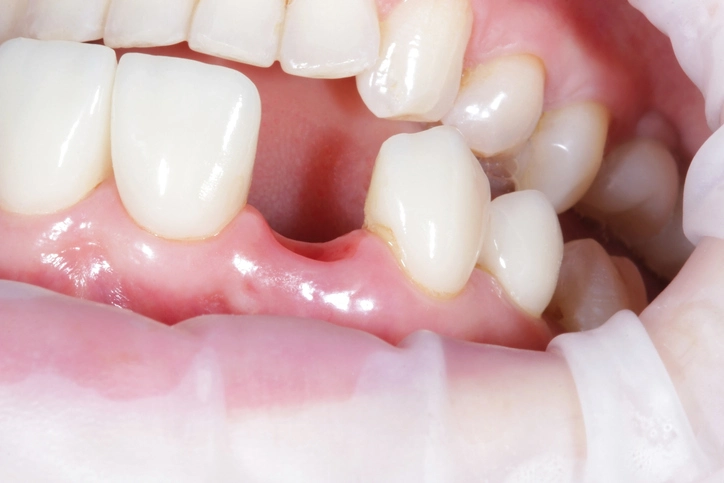
Tooth loss is a common clinical challenge encountered in restorative dentistry. Whether the patient is missing a single tooth or has multiple edentulous areas, the dentist must formulate a comprehensive treatment plan that restores oral function, aesthetics, comfort, and long-term oral health. Modern dentistry offers an evolving array of treatment options—ranging from minimally invasive adhesive techniques to advanced implant-supported solutions—and each option must be carefully tailored to the individual patient’s needs, expectations, medical conditions, and financial circumstances.
Table of Contents
ToggleUnderstanding the Need for Tooth Replacement
Although modern populations retain more of their natural dentition into old age than ever before, tooth loss still has major implications for oral and general health. The 2009 Adult Dental Health Survey revealed that 86% of dentate adults had 21 or more natural teeth, widely regarded as the threshold for a functionally adequate dentition. However, age remains a significant predictor of tooth loss: edentulism was present in 6% of adults aged 16 years and above in 2009, but this was a substantial improvement from 37% in 1968.
Not every missing tooth must be replaced. For example, some patients can function comfortably with a shortened dental arch extending from the second premolar to the contralateral second premolar. Nonetheless, replacing missing teeth is often recommended because tooth loss can lead to progressive functional and aesthetic problems. These include drifting or overeruption of adjacent and opposing teeth, impaired mastication, speech issues, collapsing facial aesthetics, and changes in occlusal stability.
Indications for Tooth Replacement
Key reasons to consider replacing missing teeth include:
- Improved masticatory efficiency
Missing teeth reduce chewing function, forcing patients to avoid certain foods or rely excessively on remaining dentition. - Improved speech
Teeth play an important role in pronunciation, especially sibilant and fricative sounds. Tooth loss may lead to lisping or altered phonetics. - Prevention of unwanted tooth movements
Following tooth loss, adjacent teeth may drift, rotate, or tip into the edentulous space. Opposing teeth may overerupt. These changes complicate future restorative care and can contribute to occlusal issues. - Improved distribution of occlusal forces
A reduced number of teeth can overload remaining structures, leading to fractures or periodontal deterioration. - Maintenance of interdental space
Preserving mesiodistal space is essential for aesthetics and future restorative options. - Restoration of aesthetics
The psychosocial impact of visible tooth loss can be profound. Restoring a harmonious smile has significant quality-of-life benefits. - Preparation for complete dentures in the future
Early intervention may help maintain ridge height and soft tissue integrity, important for future prosthesis stability.
The Treatment Planning Process
Comprehensive treatment planning requires systematic information gathering from clinical history, examination, and diagnostic testing. The process must not only identify the patient’s current dental status but also anticipate future needs and evaluate how well the patient will tolerate different prosthetic options.
1. History Taking
Effective prosthodontic treatment begins with active listening. Understanding the patient’s expectations, concerns, and desired outcomes is essential. Many patients seek replacement primarily for function, while others are motivated by aesthetics or social concerns.
a. Previous denture and restoration history
Some patients may have worn dentures in the past but are no longer wearing them—possibly due to discomfort, poor fit, or dissatisfaction. Investigating the success or failure of previous prostheses helps to avoid repeating past mistakes and identifies patient-specific challenges.
b. Past medical history (PMH)
Medical factors significantly affect prosthetic treatment.
Examples include:
- Xerostomia (e.g., caused by antidepressants, diuretics, radiotherapy) which compromises denture retention and comfort.
- Neuromuscular disorders (e.g., Parkinson’s disease) which impair denture control.
- Diabetes which affects periodontal stability and healing.
- Bleeding disorders or anticoagulant use influencing surgical options such as implant placement.
c. Social history
Practical aspects, such as transport difficulties, caring responsibilities, or work schedules, may affect attendance and the number of appointments a patient can commit to. Aesthetic demands may be higher in patients with socially prominent occupations.
d. Psychological considerations
Patients have varying degrees of tolerance for removable prostheses. Some may strongly prefer fixed solutions, while others may have limited adaptability. Identifying patient expectations early prevents dissatisfaction later.
2. Clinical Examination
The clinical examination should include both extra-oral (EO) and intra-oral (IO) assessments.
Extra-Oral Examination
This includes:
- Facial symmetry
- Muscle tone and lip support
- Temporomandibular joint (TMJ) function
- Speech patterns and phonetics
EO findings influence aesthetics and the design of dentures or implant restorations.
Intra-Oral Examination
An intra-oral examination must be thorough and structured.
Soft tissue assessment
Mucosal quality and compressibility
Tongue size (macroglossia may destabilize dentures)
Salivary flow quantity and viscosity
Assessment of remaining teeth
Caries, restorations, cracks
Periodontal status
Mobility
Occlusal relationships
Tooth wear patterns
Prognosis for each tooth (good, guarded, poor)
Ridge form and edentulous areas
Height and width of the alveolar ridge
Undercuts
Muscle attachments
Areas of flabby tissue
Existing prostheses
Fit
Retention and stability
Occlusal contacts
Wear
Patient satisfaction
Understanding what has or has not worked previously is invaluable.
3. Special Investigations
Diagnostic tests support clinical judgement:
- Radiographs:
Assess bone height, periodontal status, root morphology, and potential abutment teeth. - Sensibility testing:
Essential before selecting abutment teeth for bridges or partial dentures. - Study models and articulator mounting:
Useful in partly dentate cases to evaluate occlusion outside the mouth and plan future restorations. - Wax-ups:
Provide a visual guide for both clinician and patient.
Options for Replacing Missing Teeth
A patient may be offered several treatment alternatives, each with its own indications, advantages, and limitations. Choosing the appropriate option requires balancing biological, functional, aesthetic, psychological, and financial considerations.
1. Non-Replacement of Missing Teeth
In some cases, the best option is no active replacement. If the patient’s function and appearance are satisfactory and risks of unwanted tooth movement are low, intervention may be unnecessary. A shortened dental arch extending to the second premolar often provides sufficient function.
However, the dentist must monitor for late changes, such as drifting or overeruption.
2. Fixed Bridgework
Bridges offer a fixed and aesthetically pleasing solution.
Types of bridges
Resin-bonded bridges (RBBs)
Minimally invasive
Usually supported by enamel bonding
Ideal for young patients or where abutments are intact
Conventional fixed–fixed or fixed–movable bridges
Require significant tooth preparation
Offer strong functional and aesthetic outcomes
More invasive and expensive
Require good abutment tooth quality
Advantages
- Do not need to be removed
- Good aesthetics
- Short adaptation time
- Stable occlusion
Limitations
- Loss of tooth tissue (except in RBBs)
- Higher cost
- Technically demanding
- Risk of abutment failure or caries under retainers
3. Implant-Supported Prostheses
Implants represent the gold standard for many patients, especially in cases of single tooth loss or when adjacent teeth are intact.
Advantages
- Avoid preparation of natural teeth
- Help preserve alveolar bone through biomechanical stimulation
- Can be fixed or removable
- High success rates with proper planning
Limitations
- High cost
- Require surgical intervention
- Healing time required
- Not suitable for patients with insufficient bone unless grafting is done
- Relative contraindications include uncontrolled diabetes, heavy smoking, and bisphosphonate therapy
4. Removable Partial Dentures (RPDs)
RPDs offer a versatile and cost-effective option.
Advantages
- Minimally invasive
- Can restore large edentulous spans
- Replace teeth and soft tissues
- Useful as transitional or training dentures
Disadvantages
- Increased plaque retention
- Potential damage to abutment teeth and soft tissues
- Often poorly tolerated
- Require patient compliance for hygiene and wear
Indications
- Long edentulous spans unsuitable for bridgework
- Multiple missing teeth
- Interim solution before definitive implant treatment
5. Complete Immediate Dentures
Indicated for patients requiring extraction of remaining teeth with immediate prosthetic replacement.
Advantages
- Psychological benefit of never being without teeth
- Maintain soft tissue contour immediately after extraction
- Protect healing sockets
Disadvantages
- Require frequent adjustments as tissues remodel
- Often replaced within months
- Complex clinical and technical procedures
6. Conventional Complete Dentures
Complete dentures remain essential for fully edentulous patients.
Success requires:
- Adequate ridge form
- Good neuromuscular control
- Motivated patient
- Accurate clinical records
- Skilled technical construction
Challenges:
- Poor retention in resorbed ridges
- Difficulty adapting to lower dentures
- Functional limitations
Some patients require multiple review appointments to master insertion, removal, speech, and chewing.
7. Orthodontic Space Closure
In selected patients, orthodontic movement can eliminate edentulous spaces entirely.
Indications include:
- Crowding
- Imbricated dentition
- Localized short spans
- Young patients with robust periodontal support
Space closure may eliminate the need for prosthetics entirely.
Detailed Treatment Planning
After evaluating all clinical parameters and discussing options with the patient, treatment planning can proceed.
Factors determining fixed vs removable prostheses
General factors
- Motivation and compliance
- Age
- Systemic health
- Occupational demands (e.g., actors may require superior aesthetic solutions)
- Cost considerations
Local factors
- Oral hygiene and periodontal health
- Number and position of missing teeth
- Condition of potential abutments
- Occlusal scheme
- Length of edentulous span
- Degree of ridge resorption
Steps in Initial Treatment
Before definitive prosthetic work begins, initial stabilisation is essential.
1. Relief of pain and emergency treatment
Address infections, fractured teeth, and abnormalities.
2. Extraction of hopeless teeth
Unless immediate dentures are planned.
3. Oral hygiene instruction and periodontal therapy
Stable periodontal tissues are vital for fixed and removable prostheses.
4. Preliminary RPD design
Early planning prevents future complications.
5. Restorations as required
Ensure abutments and remaining teeth are healthy before prosthetic loading.
6. Removal of retained roots or other pathological tissues
Pre-prosthetic surgery may improve prosthesis fit.
7. Definitive prosthetic construction
Once the mouth is stabilised, final bridgework, dentures, or implants can be provided.
Conclusion
Treatment planning for missing teeth requires a holistic approach that integrates clinical findings, patient expectations, and sound prosthodontic principles. Whether choosing fixed, removable, or implant-supported options, dentists must balance biological, functional, aesthetic, and psychological factors. With thorough assessment, careful diagnosis, and clear communication, clinicians can provide durable and satisfying solutions for patients experiencing tooth loss. The modern emphasis on minimally invasive techniques and evidence-based decision-making continues to expand the possibilities for restorative care, ensuring patients achieve optimal oral health and quality of life.
References
- Walsh, T., et al. Adult Dental Health Survey 2009: Oral Health and Function. Health and Social Care Information Centre; 2011.
- Craddock, H.L., et al. “The Extent and Distribution of Tooth Loss in a Single Adult Population.” Journal of Prosthodontics, vol. 16, no. 6, 2007, pp. 485–491.
- Prosthodontic Treatment for Edentulous Patients: Complete Dentures and Implant-Supported Prostheses. 13th ed., edited by G.A. Zarb, C.L. Bolender, S. Eckert, et al., Elsevier Mosby, 2012.
- Shillinburg, H.T., et al. Fundamentals of Fixed Prosthodontics. 4th ed., Quintessence Publishing, 2012.
- Carr, A.B., Brown, D.T. McCracken’s Removable Partial Prosthodontics. 13th ed., Elsevier Mosby, 2016.
- Jokstad, A. “Evidence-Based Decision Making in Prosthodontics.” Journal of Prosthetic Dentistry, vol. 92, no. 3, 2004, pp. 260–266.
- Feine, J.S., et al. “The McGill Consensus Statement on Overdentures.” International Journal of Prosthodontics, vol. 15, 2002, pp. 413–414.
- Wismeijer, D., et al. Implant Dentistry. In: Contemporary Oral and Maxillofacial Surgery, 6th ed., edited by J.R. Hupp, E. Ellis, M.R. Tucker, Mosby, 2014.
- Gulati, M., et al. “Prosthodontic Considerations for Restoring Partial Edentulism.” Journal of Clinical and Diagnostic Research, vol. 8, no. 12, 2014, pp. 32–35.
- Kapur, K.K. “A Clinical Evaluation of Denture Retention and Stability.” Journal of Prosthetic Dentistry, vol. 13, no. 4, 1963, pp. 534–553.
- Hemmings, K.W., et al. “The Shortened Dental Arch Concept.” British Dental Journal, vol. 176, no. 11, 1994, pp. 414–417.
- Goodacre, C.J., et al. “Clinical Complications in Fixed Prosthodontics.” Journal of Prosthetic Dentistry, vol. 90, 2003, pp. 31–41.
- Pjetursson, B.E., et al. “Systematic Review of Survival and Complication Rates of Fixed Partial Dentures.” Clinical Oral Implants Research, vol. 18, 2007, pp. 97–113.
- Sadowsky, S.J. “Evidence-Based Criteria for Selecting Fixed vs. Removable Prostheses.” Journal of Prosthodontics, vol. 6, 1997, pp. 175–179.
- Parr, G.R., Tharp, G.E. Aesthetic and Functional Principles in Prosthodontics. Quintessence Publishing, 2002.