
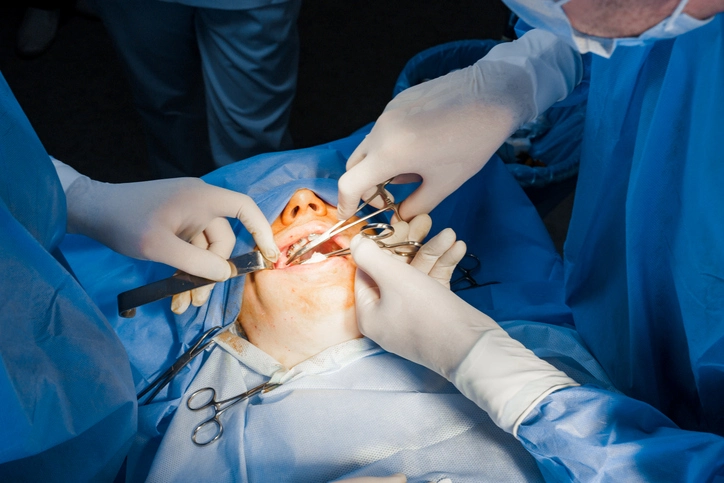
Oral surgery occupies a unique position within surgical practice. Unlike many other surgical fields, procedures are carried out in an environment that is continuously exposed to microorganisms, mechanical forces, and chemical stimuli. Despite these apparent disadvantages, the mouth is a remarkably forgiving surgical site. Its rich blood supply, rapid healing capacity, and the protective properties of saliva allow surgical wounds to heal efficiently when proper principles are followed. However, this forgiving nature must not lead to complacency. The foundational principles of surgery apply just as rigorously to oral surgery as they do to any other surgical discipline.
Table of Contents
ToggleThe Oral Environment and Its Surgical Implications
The oral cavity is characterized by a constant presence of commensal microorganisms, fluctuating moisture levels, and frequent mechanical stress from speech, mastication, and swallowing. Despite these challenges, surgical healing in the mouth is often rapid and reliable. This is largely due to:
- Excellent vascularity, which promotes oxygenation and immune defense
- Saliva, which contains enzymes, immunoglobulins, and growth factors
- High cellular turnover, particularly in the oral epithelium
However, the presence of bacteria means that infection control is critical, and surgical trauma must be minimized. The surgeon must strike a balance between adequate surgical access and preservation of healthy tissues.
Asepsis and Antisepsis in Oral Surgery
Importance of Infection Control
Asepsis and antisepsis are fundamental principles of surgery. Although the oral cavity cannot be rendered sterile, bacterial load can be significantly reduced through meticulous technique. Failure to observe aseptic principles increases the risk of infection, delayed healing, wound breakdown, and systemic complications.
Practical Application
In oral surgery, asepsis includes:
- Sterilization of instruments
- Use of gloves, masks, and protective barriers
- Proper preparation of the surgical field
- Minimizing contamination during procedures
Antisepsis involves chemical reduction of microorganisms, commonly through:
- Preoperative mouth rinses (e.g., chlorhexidine)
- Skin and mucosal disinfection
- Irrigation during surgery
While total sterility is unattainable, adherence to aseptic principles substantially improves surgical outcomes.
Analgesia and Anaesthesia
Modern Expectations of Pain Control
Pain management is no longer optional in surgical practice. Patients today rightly expect painless procedures and effective post-operative analgesia. Inadequate pain control can lead to anxiety, poor cooperation, and negative perceptions of dental care.
Peri-operative and Post-operative Analgesia
Pain control in oral surgery includes:
- Local anaesthesia, ensuring profound intraoperative analgesia
- Sedation, where appropriate, to reduce anxiety
- Post-operative analgesics, such as NSAIDs or paracetamol
- Adjunctive measures, including cold therapy and patient education
Effective analgesia improves healing by reducing stress-induced inflammation and promoting patient compliance with post-operative instructions.
Anatomy and Pathology: Foundations of Surgical Decision-Making
Understanding Anatomy
A thorough knowledge of anatomy is the cornerstone of safe and effective oral surgery. Anatomical understanding allows the surgeon to:
- Identify vital structures (nerves, vessels, sinuses)
- Plan incisions and flaps appropriately
- Avoid iatrogenic injury
Key anatomical considerations include the inferior alveolar nerve, mental nerve, maxillary sinus, nasal floor, and adjacent soft tissue structures.
Role of Pathology
Pathology explains why surgery is needed and how much tissue can safely be removed. Understanding disease processes allows the surgeon to distinguish between tissue that must be excised and tissue that should be preserved.
The interplay between anatomy and pathology guides surgical planning, ensuring that treatment is both effective and conservative.
Surgical Access
Importance of Adequate Access
In oral surgery, poor access is a common cause of complications. Insufficient exposure leads to excessive force, prolonged operating time, and unnecessary tissue trauma.
Most oral surgical procedures are accessed intra-orally via incisions placed strategically to provide visibility and maneuverability while minimizing morbidity.
Intra-Oral vs Extra-Oral Access
- Intra-oral access is preferred for most procedures due to reduced scarring and morbidity
- Extra-oral access may be necessary for extensive pathology or trauma
The principle remains consistent: adequate access facilitates gentle, controlled surgery.
Incisions and Flap Design
Types of Incisions
Incisions in oral surgery vary depending on the procedure:
- Full-thickness (mucoperiosteal) flaps are used in dento-alveolar surgery
- Split-thickness flaps are used in periodontal and mucogingival surgery
The choice of incision affects blood supply, healing, and post-operative comfort.
Principles of Flap Design
Effective flap design follows several key principles:
- The base of the flap should be adequately wide to ensure blood supply
- Incisions should avoid vital structures
- Interdental papillae should not be split
- Incisions should ideally follow the gingival sulcus
A larger, well-designed flap often results in less trauma overall by improving access and reducing the need for force.
Flap Elevation and Tissue Handling
Gentle Tissue Management
Tissue handling is a critical determinant of surgical outcome. Excessive force, poor instrument control, or repeated trauma can compromise blood supply and delay healing.
Flaps should be elevated cleanly in a subperiosteal plane using blunt instruments. The surgeon should progress from areas that are easily elevated to those that are more resistant.
Avoiding Common Errors
- Do not tear or crush soft tissues
- Avoid unnecessary periosteal stripping
- Keep tissues moist during surgery
Respect for tissue biology is central to successful oral surgery.
Retraction
Role of Retraction
Retraction provides visibility and protects soft tissues during surgery. Poor retraction can cause burns, lacerations, or ischemic damage.
Responsibility of the Assistant
The assistant plays a vital role in maintaining gentle, precise retraction. They must protect tissues from:
- Sharp instrument edges
- Overheated drills
- Excessive pressure
Effective teamwork between surgeon and assistant is essential for safe surgery.
Bone Removal
Indications for Bone Removal
Bone removal is commonly required during procedures such as impacted tooth extraction, cyst removal, or apical surgery.
Techniques and Precautions
Bone removal using rotary instruments must always be accompanied by copious sterile irrigation to prevent:
- Heat-induced bone necrosis
- Soft tissue injury
- Bur clogging
When chisels are used, the surgeon should follow the natural lines of bone cleavage and employ stop cuts to control fracture lines.
Conservative bone removal preserves structural integrity and promotes faster healing.
Removal of Teeth and Roots
Controlled Force Principle
Extraction should never rely on brute strength. Instead, controlled, deliberate force allows gradual expansion of alveolar bone and minimizes trauma.
Key principles include:
- Adequate access and visualization
- Use of appropriate instruments
- Patience and controlled movements
Uncontrolled force increases the risk of root fracture, bone loss, and soft tissue injury.
Debridement
Definition and Importance
Debridement refers to the removal of debris, necrotic tissue, and foreign material from the surgical site. This step is essential for reducing inflammation and promoting healing.
Common Sources of Debris
- Bone dust
- Pathological tissue remnants
- Blood clots and foreign materials
Subperiosteal bone dust is a frequent cause of post-operative pain and delayed healing if not removed thoroughly.
Haemostasis and Wound Closure
Achieving Haemostasis
Effective haemostasis prevents complications such as hematoma formation, infection, and wound breakdown. Techniques include:
- Pressure application
- Suturing
- Local haemostatic agents
Wound Closure
Proper wound closure stabilizes tissues, protects the surgical site, and promotes primary healing. Suturing technique must balance tension-free closure with preservation of blood supply.
Post-Operative Oedema
Nature of Post-Operative Swelling
Some degree of swelling is inevitable following oral surgery. It results from tissue trauma and inflammatory response.
Minimizing Oedema
The most effective method of reducing post-operative oedema is gentle, efficient surgery. Adjunctive measures include:
- Ice packs
- Anti-inflammatory medications
- Steroids in selected cases
However, these measures are secondary to sound surgical technique.
Conclusion
The principles of surgery of the mouth are grounded in universal surgical concepts, adapted to the unique anatomy and environment of the oral cavity. Mastery of these principles requires not only technical skill but also a deep understanding of anatomy, pathology, and tissue biology.
Gentle handling of tissues, thoughtful planning, adequate access, meticulous technique, and respect for healing processes are the hallmarks of good oral surgery. By adhering to these principles, clinicians can achieve predictable outcomes, minimize complications, and provide patients with safe, comfortable, and effective care.
References
- Peterson, L. J., Ellis, E., Hupp, J. R., & Tucker, M. R.
Contemporary Oral and Maxillofacial Surgery. 7th ed. St. Louis: Elsevier; 2018.
— Foundational reference for principles of oral surgery, flap design, bone removal, and post-operative care. - Hupp, J. R., Ellis, E., & Tucker, M. R.
Peterson’s Principles of Oral and Maxillofacial Surgery. 3rd ed. Hamilton: BC Decker; 2012.
— Detailed discussion of surgical principles, asepsis, analgesia, and tissue handling. - Miloro, M., Ghali, G. E., Larsen, P. E., & Waite, P. D.
Peterson’s Oral and Maxillofacial Surgery. 3rd ed. Shelton: PMPH USA; 2011.
— Comprehensive coverage of dento-alveolar surgery and surgical anatomy. - Fonseca, R. J., Barber, H. D., Powers, M. P., & Frost, D. E.
Oral and Maxillofacial Surgery. Vols. 1–3. 3rd ed. St. Louis: Elsevier Saunders; 2018.
— Authoritative reference for surgical access, haemostasis, bone removal, and post-operative management. - Bataineh, A. B., & Al-Qudah, M. A.
Postoperative pain, swelling, and trismus following third molar surgery.
International Journal of Oral and Maxillofacial Surgery. 2000;29(2):101–104.
— Evidence-based discussion on post-operative oedema and pain control. - Robinson, P. P., & Smith, K. G.
Principles of surgical extraction.
British Dental Journal. 2000;188(7):329–334.
— Focuses on controlled force, access, and prevention of complications. - Scully, C., & Flint, S. R.
Oral and Maxillofacial Medicine: The Basis of Diagnosis and Treatment. 3rd ed. London: Churchill Livingstone; 2014.
— Useful for understanding pathology and its relevance to surgical planning. - Newman, M. G., Takei, H. H., Klokkevold, P. R., & Carranza, F. A.
Carranza’s Clinical Periodontology. 13th ed. St. Louis: Elsevier; 2019.
— Reference for flap design, mucogingival surgery, and periodontal surgical principles. - Ten Cate, A. R.
Oral Histology: Development, Structure, and Function. 8th ed. St. Louis: Mosby; 2013.
— Supports biological principles of healing and tissue response. - Moore, K. L., Dalley, A. F., & Agur, A. M. R.
Clinically Oriented Anatomy. 8th ed. Philadelphia: Wolters Kluwer; 2018.
— Essential anatomical reference for avoiding iatrogenic injury during oral surgery.