
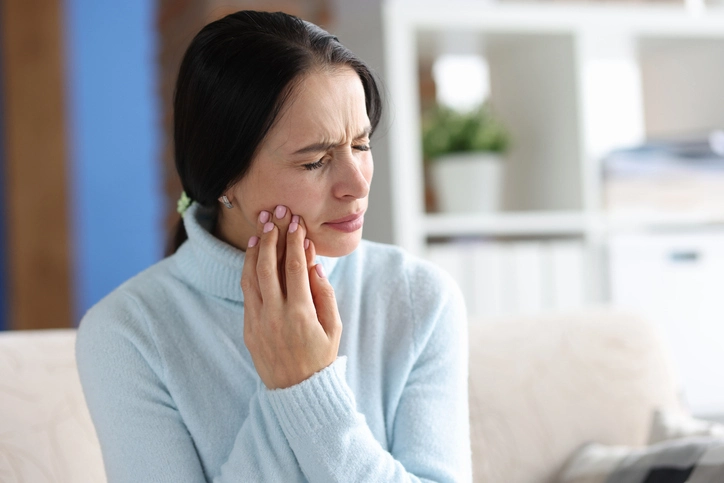
Dental pain is one of the most common reasons patients seek dental treatment. While often referred to as a “toothache,” this discomfort can arise from a variety of dental and non-dental structures. The complexity of the innervation of the orofacial region, coupled with the diversity of potential causes, makes dental pain a challenging condition to diagnose and manage accurately.
Table of Contents
ToggleClassification of Dental Pain
When a patient complains of toothache, pain may arise from any of the following categories:
- Pulpal pain – originating from the dental pulp.
- Periapical or periradicular pain – involving the periapical tissues surrounding the root.
- Non-dental or non-odontogenic pain – arising from sources outside the tooth or periodontium, such as the temporomandibular joint or sinuses.
Accurate diagnosis requires detailed history-taking, clinical and radiographic examination, and sometimes special tests. The clinician must integrate these findings rather than rely on any single test.
Pulpal Pain
Pathophysiology
The dental pulp is a richly vascularized and innervated connective tissue contained within the rigid walls of dentine. Because of this confined environment, any inflammatory swelling leads to an increase in intrapulpal pressure, compressing blood vessels and causing ischemic pain.
Pulpal pain may arise due to a range of insults, including bacterial invasion (from caries or leakage), thermal trauma (from restorative procedures), chemical irritation (acidic substances), or physical trauma (fracture or attrition).
Unlike the periodontium, the pulp lacks proprioceptive nerve fibers. Consequently, pulpal pain is often poorly localized, and patients may struggle to identify the affected tooth, although the pain typically does not cross the midline.
The pulp’s ability to recover depends primarily on its blood supply rather than the nerve supply. Clinicians therefore rely on vitality testing to assess the neurovascular status, though these tests are not always definitive. Histological examination remains the only method of accurately confirming pulpal status, though it is impractical in routine clinical settings.
Reversible Pulpitis
Definition:
Reversible pulpitis is an early stage of pulp inflammation in which the pulp retains the ability to recover once the irritant is removed.
Symptoms:
- Sharp, fleeting pain in response to hot, cold, or sweet stimuli.
- Pain occurs immediately and subsides rapidly after removal of the stimulus.
- Often difficult for patients to localize.
Clinical Signs:
- Exaggerated response to thermal or electrical pulp testing.
- Presence of caries, defective restorations, or exposed dentine.
- Tooth is not tender to percussion, indicating periapical tissues are unaffected.
Management:
Treatment involves removing the causative agent—usually caries or a leaking restoration—and restoring the tooth with appropriate pulp protection. Sedative dressings such as zinc oxide eugenol (ZOE) may be used temporarily. If addressed early, the pulp can fully recover without the need for root canal therapy.
Irreversible Pulpitis
Definition:
Irreversible pulpitis is a state of persistent inflammation in which the pulp is incapable of healing, eventually leading to necrosis if untreated.
Symptoms:
- Spontaneous, dull, throbbing pain lasting minutes to hours.
- Pain may worsen at night or in recumbent position due to vascular congestion.
- Exacerbated by heat; cold may provide temporary relief in later stages.
- Pain lingers after stimulus removal and may be pulsatile.
- Initially poorly localized but becomes easier to identify as inflammation spreads.
Clinical Signs:
- Variable response to vitality tests: exaggerated, diminished, or absent.
- In later stages, the tooth becomes tender to percussion (TTP) due to involvement of the periodontal ligament.
Management:
The treatment of choice is extirpation of the pulp followed by root canal therapy (RCT) if the tooth is to be preserved. If time or anesthesia is inadequate, partial pulpectomy with intracanal dressing (e.g., Odontopaste® or Ledermix®) may control symptoms until definitive RCT can be completed. Extraction is considered when the tooth is non-restorable or when endodontic treatment is not feasible.
Dentine Hypersensitivity
Definition:
Dentine hypersensitivity is characterized by pain arising from exposed dentine in response to thermal, tactile, or osmotic stimuli. It is typically short, sharp, and well localized.
Mechanism:
The hydrodynamic theory explains this phenomenon. Stimuli cause rapid fluid movement within dentinal tubules, activating nerve endings in the pulp. Not all exposed dentine is hypersensitive, as symptoms depend on tubule diameter and patency.
Epidemiology:
Dentine hypersensitivity affects about 1–7% of adults, with peak incidence between 30–40 years of age. Approximately one-quarter of adults report symptoms, often associated with gingival recession or enamel erosion.
Management:
Treatment aims to reduce stimuli or block neural response:
- Address etiological factors: improve oral hygiene techniques to minimize abrasion and reduce dietary acid exposure.
- Reduce dentinal permeability: desensitizing toothpaste (potassium nitrate, strontium, or fluoride compounds).
- Professional treatments: application of varnishes, dentine bonding agents, or desensitizing resins.
- Restorations: placed if hypersensitivity is localized and persistent.
Cracked Tooth Syndrome (CTS)
Cracked tooth syndrome refers to incomplete fractures of vital posterior teeth, typically involving enamel and dentine but not extending into the pulp.
Symptoms:
- Sharp pain on biting or upon release of pressure (often tested with devices like a “Tooth Slooth®”).
- Pain may be elicited by cold stimuli and localized to a specific cusp.
Clinical Signs:
- Often subtle or absent; diagnosis can be challenging.
- Large restorations common.
- May exhibit transillumination signs or visible cracks under magnification.
- Vitality tests usually positive unless pulp necrosis has occurred.
- May coexist with bruxism or clenching habits.
Management:
- Placement of adhesive composite restorations or cuspal coverage crowns to stabilize the tooth.
- If the crack involves the pulp, RCT may be required before restoration.
- Severely fractured teeth may require extraction.
- A temporary orthodontic band can relieve symptoms and confirm diagnosis.
Occlusal Overload
Definition:
Occlusal overload results from excessive occlusal forces—often due to bruxism, parafunction, or occlusal disharmony—that exceed the tooth’s adaptive capacity.
Symptoms:
- Sharp pain on biting or an aching sensation lingering after occlusal contact.
- May accompany hot or cold sensitivity.
- Tooth may feel “high” or slightly mobile.
Signs:
- Usually minimal but may show wear facets, fremitus, or abnormal contacts in excursions.
- In severe cases, periodontal ligament widening may be visible radiographically.
Management:
- Adjustment of occlusion if high points identified.
- Use of soft splints or Michigan splints at night to protect teeth from parafunction.
- Pain may take time to resolve as periodontal fibers remodel.
Periapical/Periradicular Pain
When irreversible pulpitis progresses untreated, the pulp becomes necrotic. Bacterial toxins exit the apical foramen, eliciting inflammation in periradicular tissues. The pain now becomes localized, as the periodontal ligament contains proprioceptive fibers.
Pulpal Necrosis with Periapical Periodontitis
Symptoms:
Dull, aching pain exacerbated by biting or chewing.
Signs:
- Non-responsive to vitality testing (except in multi-rooted teeth with partial vitality).
- Tooth TTP.
- Radiographic changes: loss of lamina dura, widened PDL, or periapical radiolucency (granuloma or cyst).
Treatment:
RCT or extraction, depending on tooth prognosis.
Acute Periapical Abscess
Symptoms:
- Severe, throbbing pain often disturbing sleep.
- Tooth exquisitely tender to touch.
Signs:
- Tooth extruded, mobile, and TTP.
- May have facial or intraoral swelling.
- Sensibility testing unreliable due to pus conduction of current.
- Radiographs may show widening of PDL or periapical radiolucency.
Treatment:
- Drain pus and relieve occlusion.
- Access pulp chamber if necessary, avoiding prolonged open drainage (>24h).
- If fluctuant swelling, incision and drainage required.
- Prescribe antibiotics (metronidazole or amoxicillin) if systemic involvement exists.
- Once acute symptoms subside, complete RCT or extract if non-restorable.
Chronic Periapical Periodontitis
Symptoms:
Often asymptomatic but may present with a draining sinus or mild tenderness.
Signs:
- Radiographs show well-demarcated periapical radiolucency representing a granuloma or cyst.
- May persist for long periods without symptoms but can flare up acutely.
Lateral Periodontal Abscess
Definition:
A localized abscess in the lateral aspect of the root surface, often arising from pre-existing periodontal pockets.
Symptoms:
Similar to periapical abscess—localized tenderness and swelling, sometimes with bad taste.
Signs:
- Tooth mobile and TTP.
- Localized or diffuse swelling of adjacent gingiva.
- Pus exudate from deep pocket on probing.
- Radiographs show localized bone loss.
- Vitality test positive unless there is combined endodontic involvement.
Management:
- Achieve drainage of pus.
- Irrigate with chlorhexidine solution.
- If recurrent or systemic, prescribe antibiotics (metronidazole or amoxicillin).
- Debride pocket once acute symptoms settle.
- Extraction may be necessary if prognosis poor, particularly in combined perio-endo lesions.
Non-Dental Pain
When no dental or periradicular pathology can be detected, clinicians must consider non-dental causes of orofacial pain. These conditions can mimic toothache but require very different management.
Common Non-Dental Causes
1. Temporomandibular Disorders (TMD)
- Present as facial or preauricular pain, often dull or aching.
- May involve joint clicking, trismus, or tenderness of masticatory muscles.
2. Maxillary Sinusitis
- Causes diffuse pain in upper posterior teeth.
- Worsens on bending forward; may accompany nasal congestion.
3. Psychological Disorders
- Atypical odontalgia or atypical facial pain present as chronic, poorly localized pain without identifiable pathology.
- Often related to neuropathic or somatoform conditions.
4. Tumours of the Mouth or Jaw
- Benign or malignant lesions can produce referred pain mimicking toothache.
- Persistent, progressive pain unresponsive to dental treatment warrants further investigation.
5. Fibromyalgia and Trigeminal Neuralgia
- Systemic and neuropathic pain conditions may refer pain to oral structures.
- Neuralgia typically presents as brief, electric-shock-like episodes triggered by light touch.
Diagnostic Considerations
Because the pain patterns of dental and non-dental origin overlap, diagnosis should always be systematic.
A structured approach includes:
- Comprehensive history: onset, duration, nature, exacerbating/relieving factors, and referred pain.
- Clinical examination: inspection, palpation, percussion, mobility, and occlusal assessment.
- Special tests: sensibility testing, bite tests, transillumination, thermal and electric pulp testing.
- Radiographic evaluation: periapical radiographs, bitewings, or CBCT as indicated.
- Review and reassessment: some conditions evolve, and diagnosis may require time.
Summary of Management Principles
- Eliminate the cause – remove caries, defective restorations, or trauma.
- Control infection – through endodontic therapy or drainage.
- Relieve pain – via pulpectomy, drainage, or occlusal adjustment.
- Preserve the tooth – whenever possible, by maintaining sound structure and pulp vitality.
- Refer – for non-dental or complex cases such as neuropathic pain or sinus disease.
Conclusion
Dental pain encompasses a wide spectrum of conditions ranging from mild reversible pulpitis to severe odontogenic infections. Recognizing the underlying pathophysiology and clinical characteristics is crucial for accurate diagnosis and effective management.
While many forms of toothache are of pulpal or periapical origin, clinicians must always remain vigilant for non-dental causes that can masquerade as odontogenic pain. Ultimately, a thorough understanding of dental pain not only alleviates suffering but also preserves oral health and enhances patient trust.
References
- Rowe, A.H.R., & Pitt Ford, T.R. (1990). Pulpal and periapical pain: a clinical perspective. International Endodontic Journal, 23, 77–85.
- Scottish Dental Clinical Effectiveness Programme (SDCEP). (2007). Emergency Dental Care: Dental Clinical Guidance. Dundee: SDCEP.
- Dowell, P., & Addy, M. (1985). Dentine hypersensitivity—a review: clinical and in vitro evaluation of treatment agents. British Dental Journal, 158, 92–96.
- Spilleh, C.H., & Tachou, A. (2013). Dentine hypersensitivity: Recent findings on development and treatment of cervical dentine hypersensitivity. Clinical Oral Investigations, 17(Suppl 1), 3–9.
- Hargreaves, K.M., & Berman, L.H. (Eds.). (2016). Cohen’s Pathways of the Pulp (11th ed.). St. Louis: Elsevier.
- Seltzer, S., & Bender, I.B. (1984). Pulpal and Periapical Diseases: Etiology, Diagnosis, and Treatment. Philadelphia: Lea & Febiger.
- American Association of Endodontists (AAE). (2021). Glossary of Endodontic Terms (10th ed.). Chicago: AAE.
- Abbott, P.V. (2004). Classification, diagnosis and clinical manifestations of apical periodontitis. Endodontic Topics, 8(1), 36–54.
- Brännström, M. (1963). A hydrodynamic mechanism in the transmission of pain-producing stimuli through the dentine. In: Sensory Mechanisms in Dentine. Oxford: Pergamon Press.
- Walton, R.E., & Torabinejad, M. (2009). Principles and Practice of Endodontics (4th ed.). St. Louis: Saunders Elsevier.
- Love, R.M., & Jenkinson, H.F. (2002). Invasion of dentinal tubules by oral bacteria. Critical Reviews in Oral Biology and Medicine, 13(2), 171–183.
- Lin, L.M., Rosenberg, P.A. (2011). Repair and regeneration in endodontics. International Endodontic Journal, 44(10), 889–906.
- Clark, D., & Khademi, J. (2010). Modern molar endodontic access and directed dentin conservation. Dental Clinics of North America, 54(2), 249–273.
- Tyas, M.J., & Anusavice, K.J. (2004). Cracked tooth syndrome. Australian Dental Journal, 49(3), 123–127.
- Okeson, J.P. (2013). Bell’s Oral and Facial Pain (7th ed.). Chicago: Quintessence Publishing.
- Zakrzewska, J.M. (2013). Facial pain: neurological and non-neurological. British Medical Journal, 347, f5473.
- Nixdorf, D.R., et al. (2012). Frequency, impact, and management of nonodontogenic orofacial pain. Journal of the American Dental Association, 143(9), 1047–1055.
- Love, R.M. (1996). Enterococcus faecalis—a mechanism for its role in endodontic failure. International Endodontic Journal, 29(6), 395–400.
- European Society of Endodontology (ESE). (2006). Quality guidelines for endodontic treatment: consensus report of the European Society of Endodontology. International Endodontic Journal, 39(12), 921–930.
- Peters, O.A. (2004). Current challenges and concepts in the preparation of root canal systems: a review. Journal of Endodontics, 30(8), 559–567.